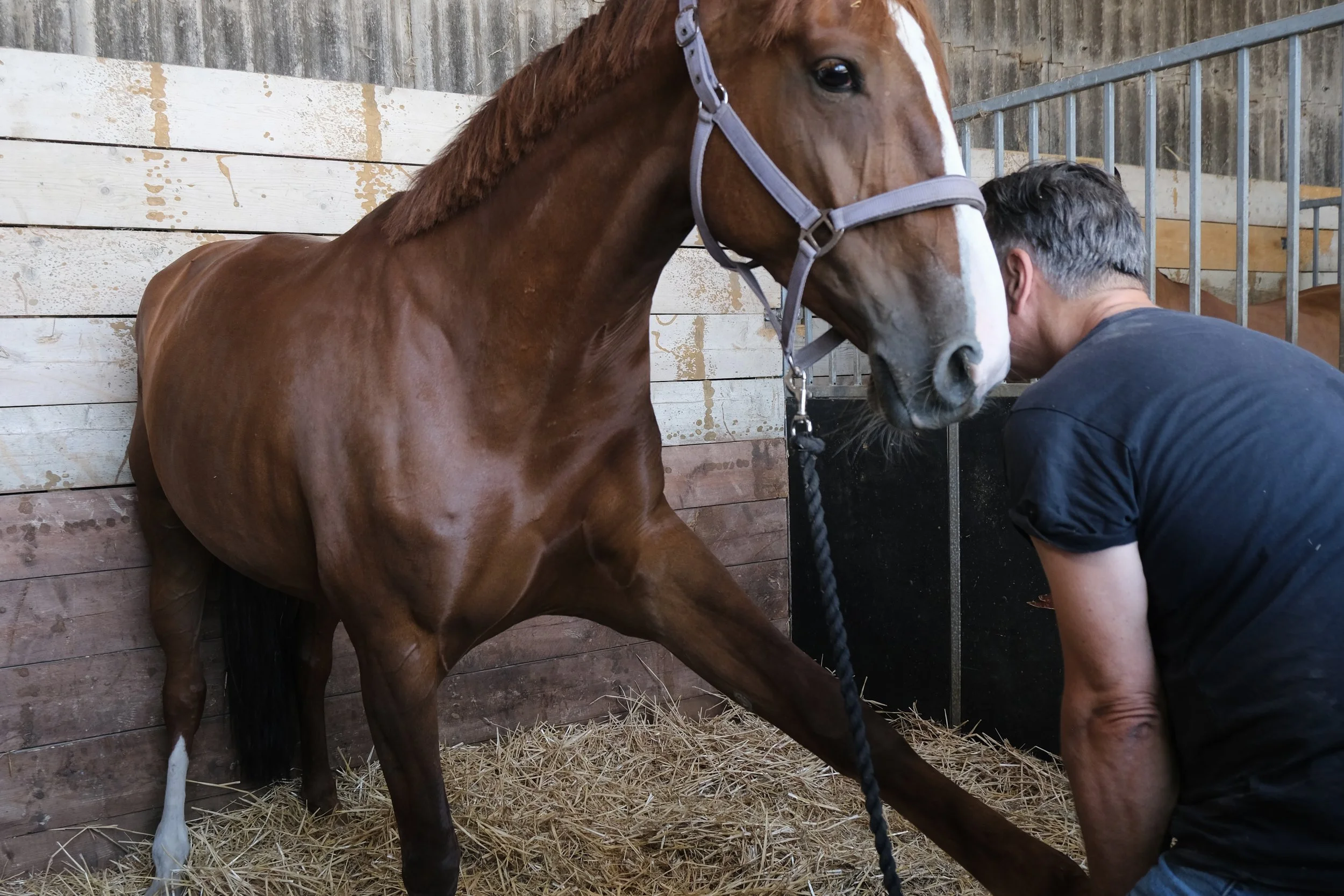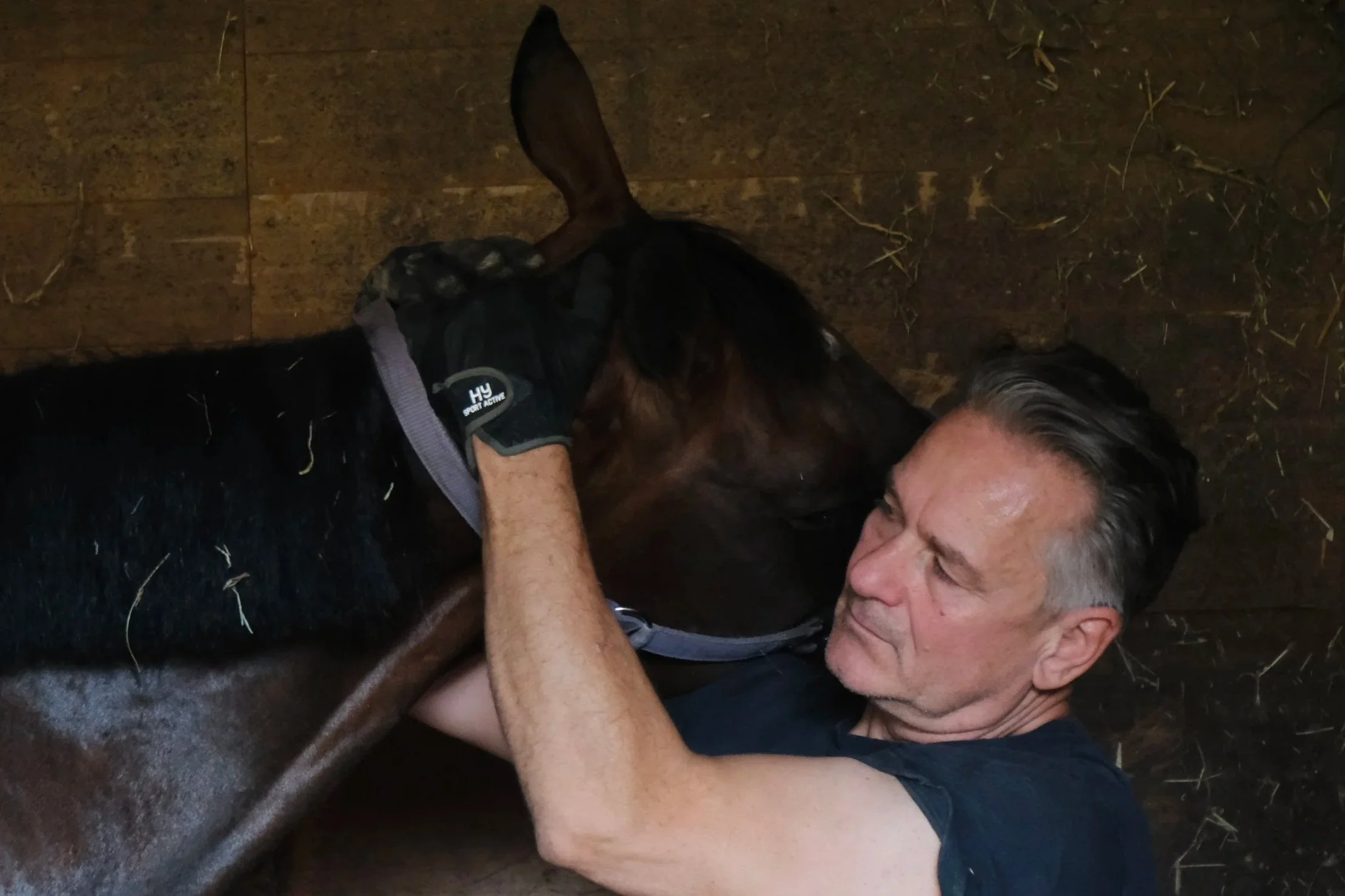
Equine chiropractic focuses on the mechanics of the horse’s body, with particular attention to the spine and its relationship with movement and overall function. Used alongside traditional veterinary care, it can help identify and address subtle restrictions or imbalances that may affect a horse’s comfort, soundness and performance. Even the most athletic horses can develop changes in movement that may limit their full potential.
Through precise, skilled adjustments, chiropractic treatment aims to restore natural movement, release tension and support the relationship between the spine and nervous system. The principles of chiropractic care have evolved over more than a century, and today encompass a range of techniques and approaches. My practice combines extensive experience in both chiropractic and osteopathic techniques, using adjustments tailored to each individual horse and the areas identified during assessment.
At London Equine Chiropractic, every horse is treated as an individual. Careful assessment allows us to identify areas of restriction and determine the most appropriate approach, with the aim of helping each horse move freely and comfortably, perform at its best and remain in peak condition — whether for competition, leisure or general wellbeing.
Our Treatment Approach
When might your horse benefit from chiropractic care?
An assessment may be worth considering if you notice:
Stiffness or restricted movement
Changes in gait or unevenness
Difficulty bending or working through one side
Reluctance to work or changes in usual behaviour
A change in performance or responsiveness
Sensitivity around the back, neck or pelvis
Difficulty maintaining balance or coordination
Changes in movement following injury, a period of rest or a change in workload
A general sense that your horse is not moving quite as freely or comfortably as usual
Chiropractic care can also form part of a horse’s ongoing maintenance, particularly for those in regular work or competing at a high level.
What to expect
Every horse is different, and each assessment begins with taking the time to understand the individual horse and any concerns you may have noticed.
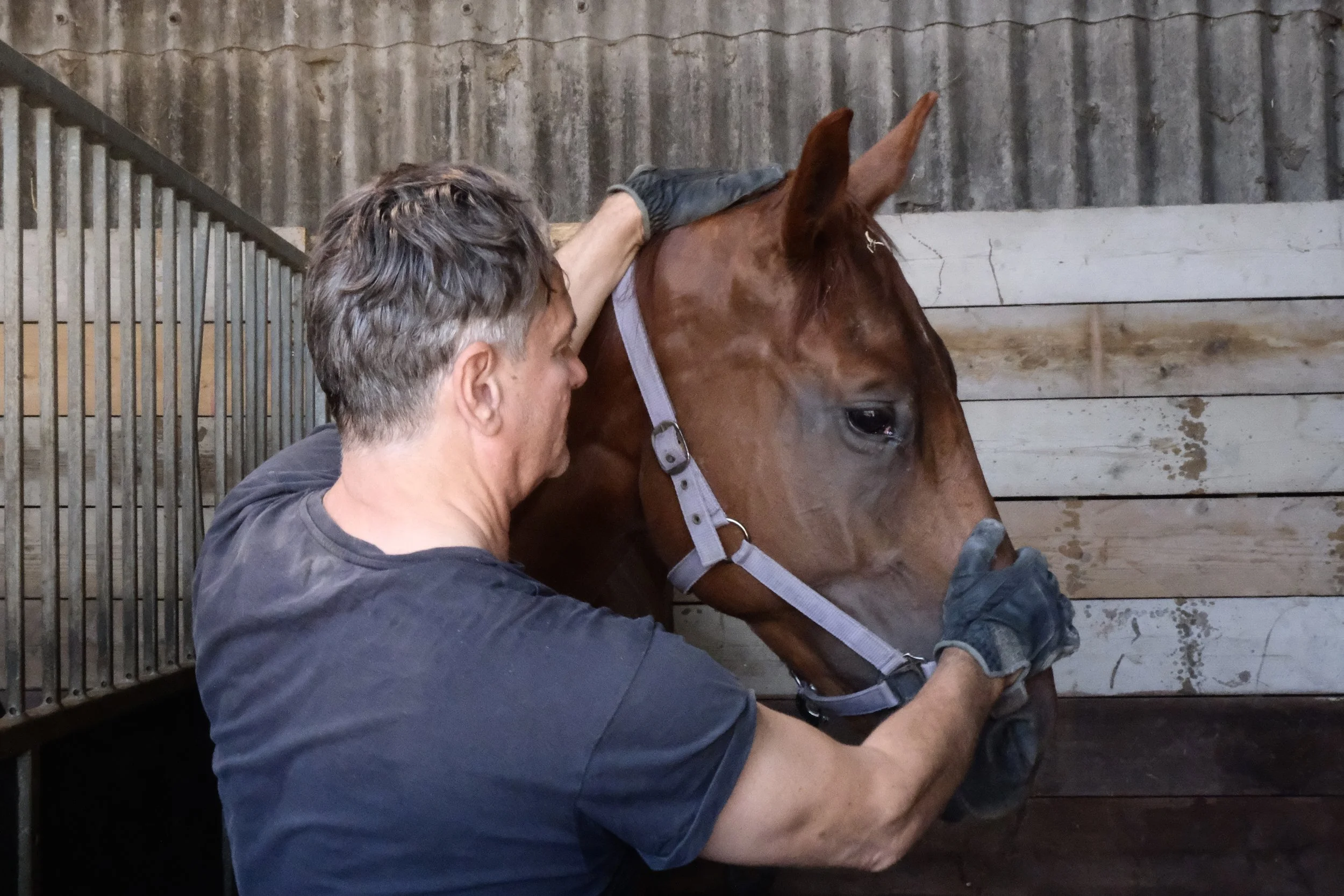
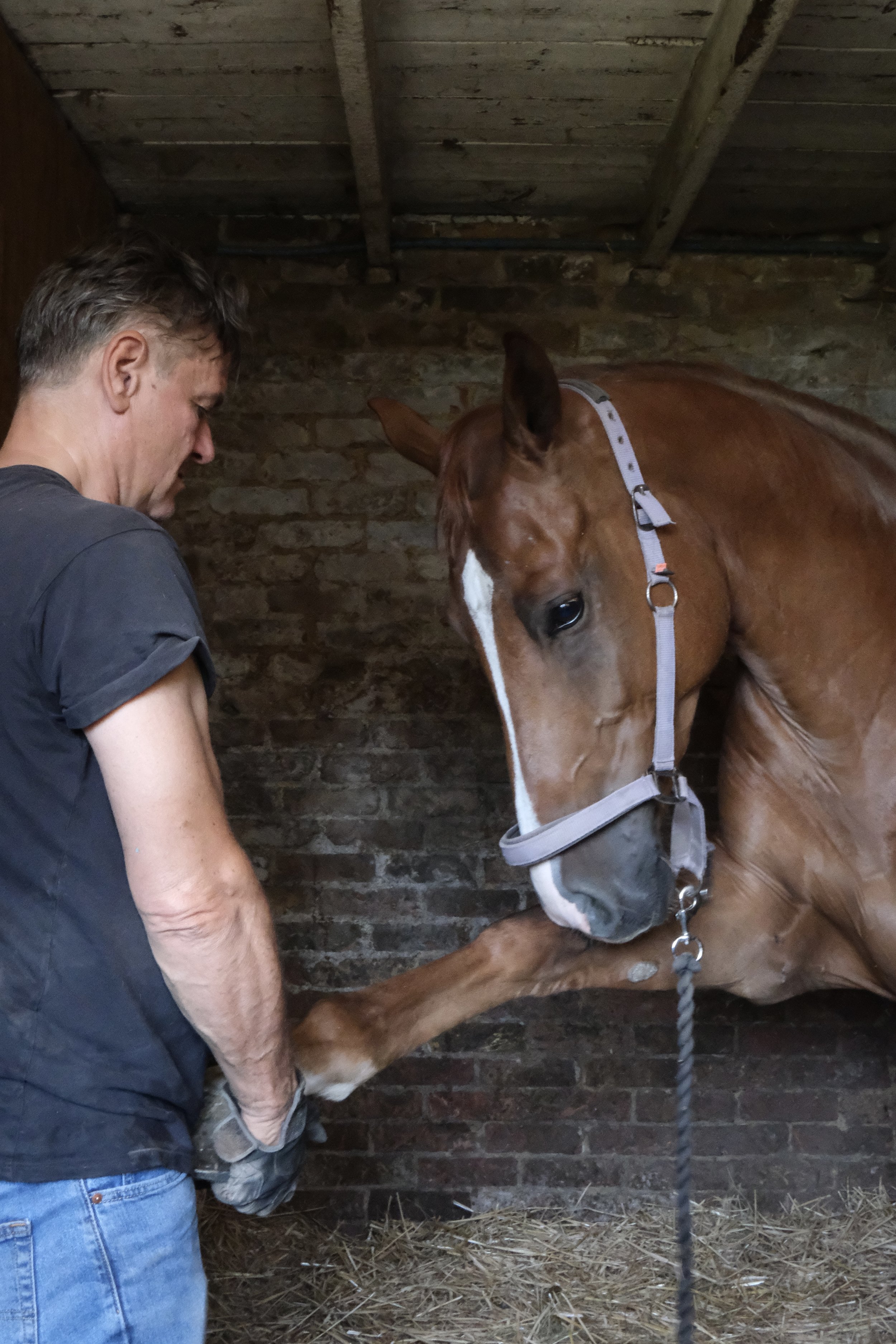
The assessment includes careful observation of the horse at rest and in movement, alongside a detailed physical examination to identify areas of restriction, tension or imbalance. Where appropriate, chiropractic techniques are then used to address these findings and support more natural, comfortable movement.
Following treatment, we discuss our findings with you and provide any relevant guidance on your horse’s ongoing care, exercise and management. Where further veterinary investigation is appropriate, this will always be recommended.
Our aim is simple: to help each horse move as freely and comfortably as possible, supporting their wellbeing and ability to perform at their best.